Water Booster Pump Installation
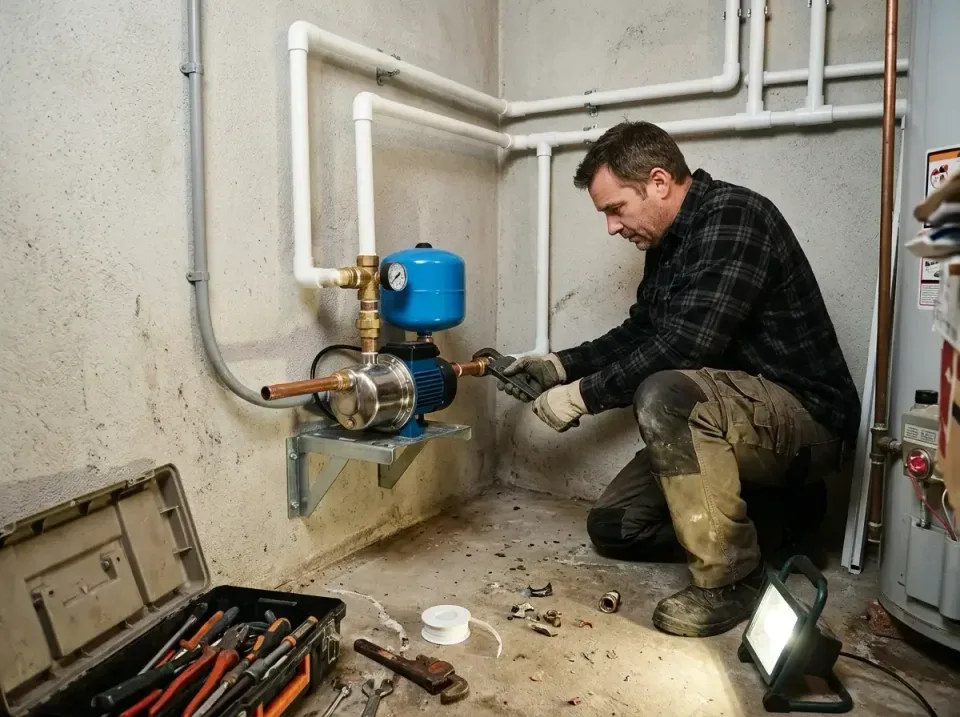
We install residential booster pumps sized to household demand; Colorado jobs typically run $800–$2,500, with pump capacity and electrical work affecting the total. Dry air makes open plumbing work evaporate faster.
When a well pump starts and stops too often, the pressure switch may be signaling at the wrong points, or the pump may not be reaching its cut-out pressure. Its cut-in pressure is the point that tells the pump to start; if that setting is off, the system can struggle to keep water available. Colorado Plumbing Pros helps Colorado homeowners understand the cause and choose a practical repair.
Certified professionals across Colorado covering your full service needs.
We install residential booster pumps sized to household demand; Colorado jobs typically run $800–$2,500, with pump capacity and electrical work affecting the total. Dry air makes open plumbing work evaporate faster.
Pressure tank repair covers bladder and connection issues for homes and well systems; typical replacement runs $450–$1,300, depending on tank size and plumbing changes.
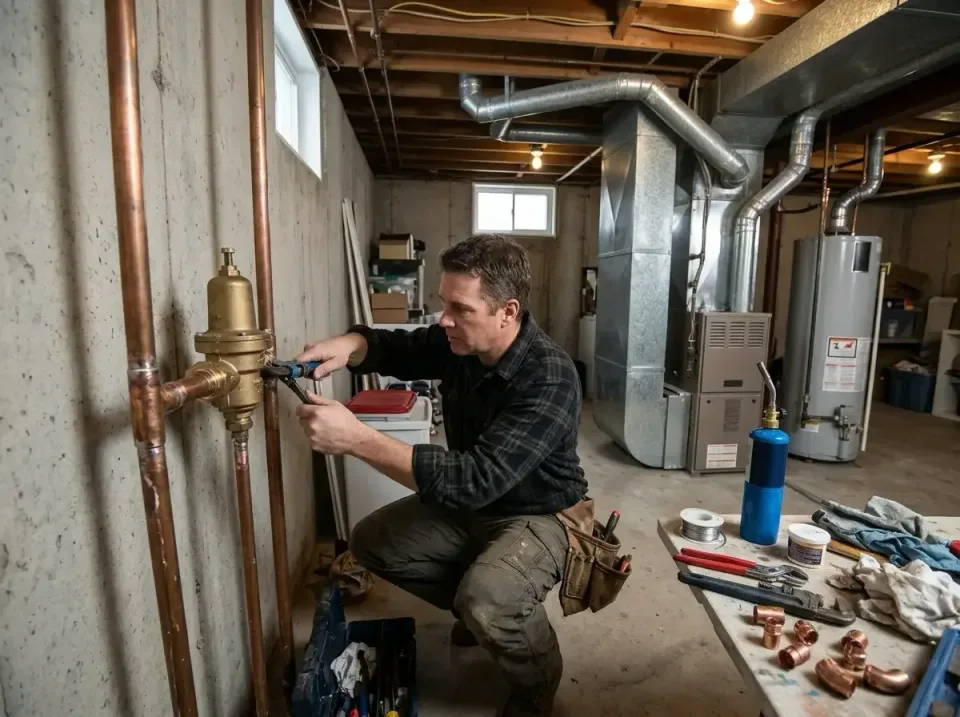
We inspect and repair residential pressure regulators, including valve adjustments and replacements; typical replacement runs $300–$800, depending on valve size and access. Aspen Mountain, Cheyenne Mountain Zoo, and t...
Well Pump Repair covers residential pump and control troubleshooting; typical repairs run $300–$1,500, depending on pump type, parts, and access.
Weak faucet pressure repair for homeowners includes faucet flow checks and targeted adjustments; access and fixture condition shape the scope.
We trace sudden whole-house pressure loss, from a pressure reading to accessible plumbing checks; diagnosis cost depends on access and testing time.
Low Shower Pressure Repair addresses weak shower flow, including showerhead and fixture checks; typical jobs run $125–$350, with access and repair scope affecting cost.
We diagnose weak hot-water flow for homeowners, checking fixture passages and hot-side piping; scope and access determine the repair quote.
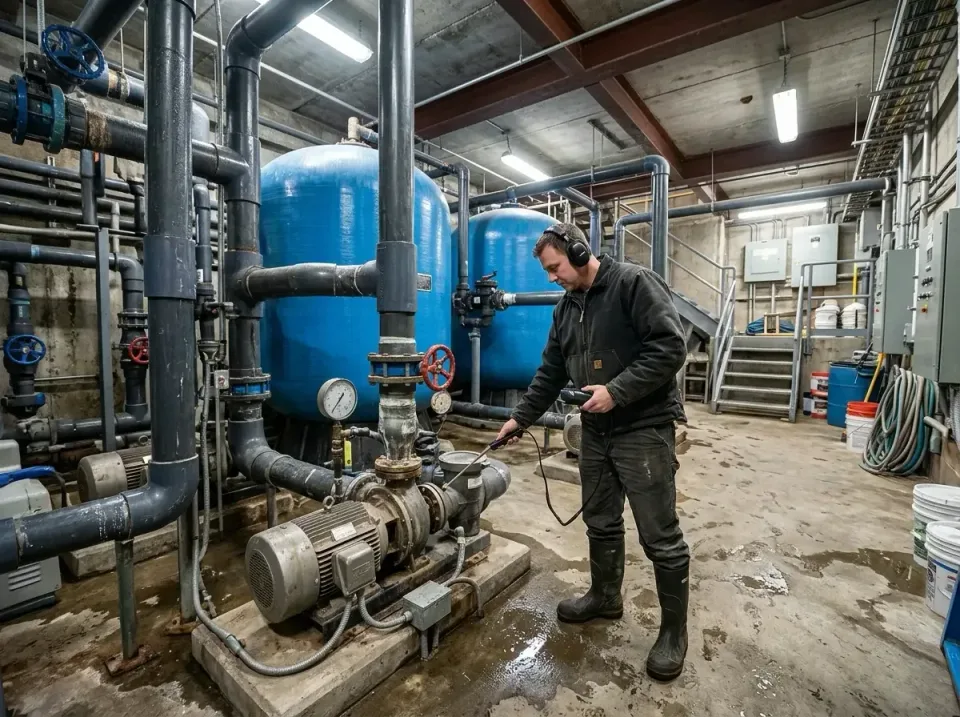
Near Rocky Mountain National Park, Colorado Plumbing Pros handles low pressure plumbing service by checking the plumbing system before recommending a repair. Colorado’s four distinct seasons can affect outdoor plumbing access, so we account for conditions around exposed equipment and service lines when planning the work.
Our Colorado pressure repair starts with a clear explanation of what we find. For homes with a municipal supply, Denver plumbing repair may involve inspecting the pressure regulator and service entry; a private well calls for attention to the pump and its controls.
We distinguish between those systems instead of treating every weak stream as the same fault. Our crew has served Colorado for more than 12 years, and we explain options in plain language.
A useful scope review should leave you knowing what needs attention and why. We can discuss the work, access, and parts before starting, and provide a clear plan for your home. To arrange a conversation, call (877) 773-0781.
A Colorado-based team diagnoses low pressure before recommending work.
Technicians test supply pressure and check multiple fixtures before isolating the cause. That helps distinguish a house-wide supply issue from a problem affecting one fixture, so the repair discussion starts with what the checks show.
Dispatching from Denver, the team coordinates calls across Colorado. Experience with older service lines, pressure regulators, pumps, and pressure tanks helps technicians account for different home systems and explain what they find.
Technicians explain the diagnosis and document pressure readings and regulator settings after repairs. If permits or local requirements apply, the team coordinates them, so customers can understand the work and relevant requirements.
Spring snowmelt can raise groundwater around foundations, while freeze-thaw cycles put stress on buried water lines. If pressure changes, note which fixtures are affected and whether the change followed a service disruption. A pressure check can help identify whether the home’s supply or equipment needs attention.
Hot afternoons can stress outdoor pump equipment, and thunderstorms may restrict outdoor access. If a well system starts behaving differently, note when the change occurs and which fixtures are affected. Having the supply and fixtures checked can help narrow the cause before outdoor work is considered.
Rapid temperature changes and strong winds on the eastern plains can make outdoor plumbing access less predictable. Fall is a useful time to check pressure concerns before colder conditions arrive. A technician can assess the home’s supply and fixtures and identify whether a regulator, pump, tank, or line needs attention.
Freezing conditions can burst exposed pipes, while cold snaps may freeze shallow service lines. Sudden pressure changes deserve attention, especially when multiple fixtures are affected. A technician can check the supply and plumbing fixtures to help locate the cause; avoid opening frozen or electrical equipment yourself.
If several fixtures lose flow together, the repair may involve a control or supply component; if only one outlet is weak, a targeted fixture repair may be enough. We take on both patterns across Colorado.
For municipal homes, our Water Pressure Regulator Repair addresses a regulator that no longer controls supply correctly, while Water Booster Pump Installation can help where a properly diagnosed system needs added pumping support. Private-well customers may need Well Pump Repair or Pressure Tank Repair when the pump or tank is not maintaining steady delivery. We also trace Sudden Water Pressure Loss to distinguish a broader supply issue from a localized restriction.
At Mesa Verde National Park, seasonal weather also shapes outdoor plumbing access; the same practical consideration applies when work requires reaching exposed equipment or a service line. The right scope depends on what testing shows, not just the location of the weakest faucet. We explain the findings and options before work begins.
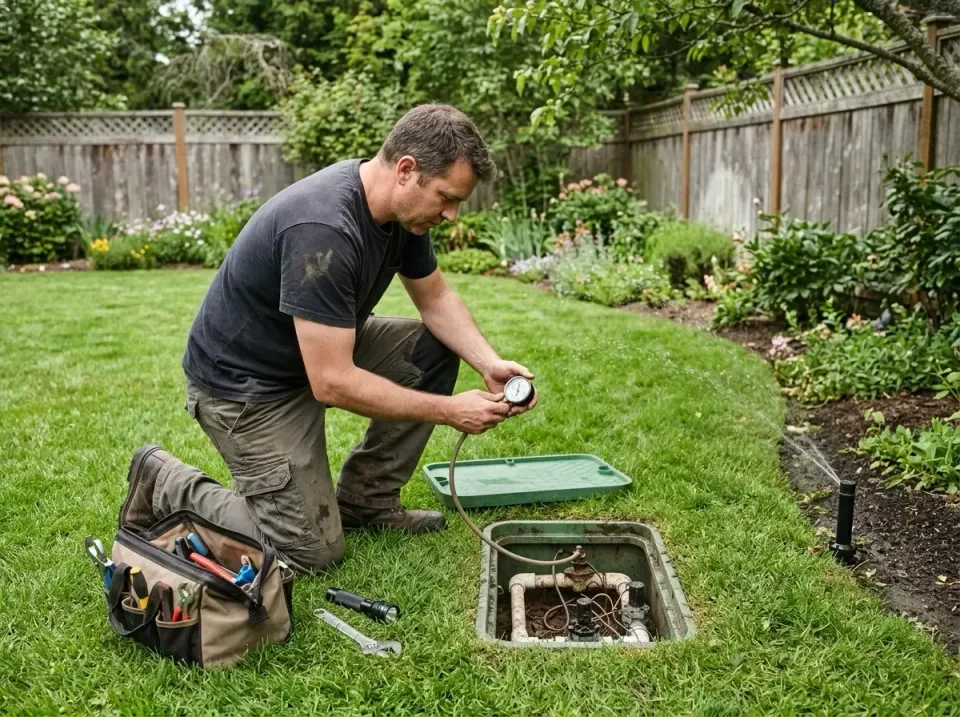
A weak stream can come from a small regulator adjustment or a larger pump or line repair, so Colorado Plumbing Pros provides clear, itemized quotes based on the diagnosed work. Model plumbing codes generally limit static pressure to 80 psi; testing helps us avoid recommending equipment or settings that push beyond that ceiling.
Pressure diagnosis is $75–$200, depending on access and testing time. A pressure regulator commonly measures ¾–1 inch, and replacement costs $300–$800 based on valve size and access. Booster pump installation runs $800–$2,500, driven by pump capacity and electrical work. Pressure tank replacement is $400–$1,200, with tank capacity and plumbing changes affecting the scope.
Colorado’s high altitude can increase UV exposure and freeze risk around outdoor equipment, which may affect access and work conditions near Great Sand Dunes National Park. Final quotes vary with scope, access, parts, and site conditions; contact Colorado Plumbing Pros at (877) 773-0781 for a final quote.
Reach our Colorado team or ask about coverage in other markets.
Straight answers for customers in Denver, CO on pricing, scheduling, and coverage.
A booster pump may help when testing shows that dynamic water pressure falls under normal household demand and the supply system can support added pumping. We check the pressure gauge readings and system conditions first; installation cost depends on pump capacity and electrical work.
Yes, a clogged water line can restrict flow to multiple fixtures, especially when they share the affected pipe run. We compare dynamic water pressure at different outlets and inspect the likely path before recommending a repair, since a pressure-reducing valve or another restriction can produce similar symptoms.
Yes, a pressure tank problem can contribute to frequent cycling because the tank helps limit how often the pump starts as water is used. We assess the tank and pressure readings together rather than replacing a component based only on the cycling pattern.
Colorado Plumbing Pros can review the system readings and provide a quote based on the equipment and installation scope.
A pressure gauge that gives inconsistent readings can make it difficult to distinguish a supply problem from a clogged line or control issue. Note when the readings change and avoid adjusting the pressure-reducing valve without a reliable test; our crew can assess the gauge and system together.
Select a city to find local low water pressure repair providers we cover in Colorado.
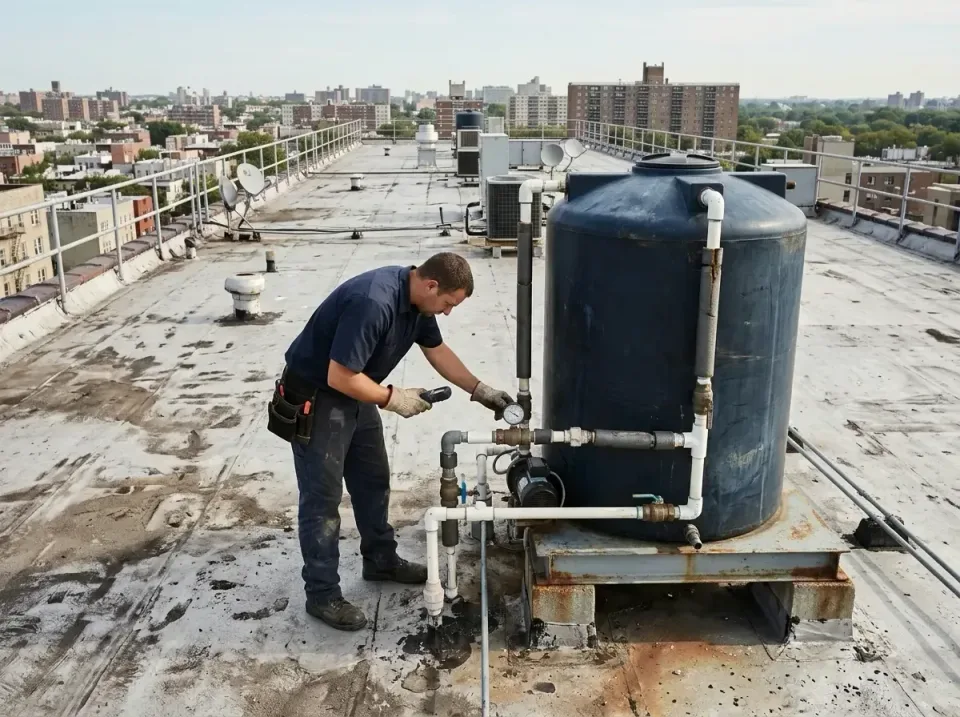
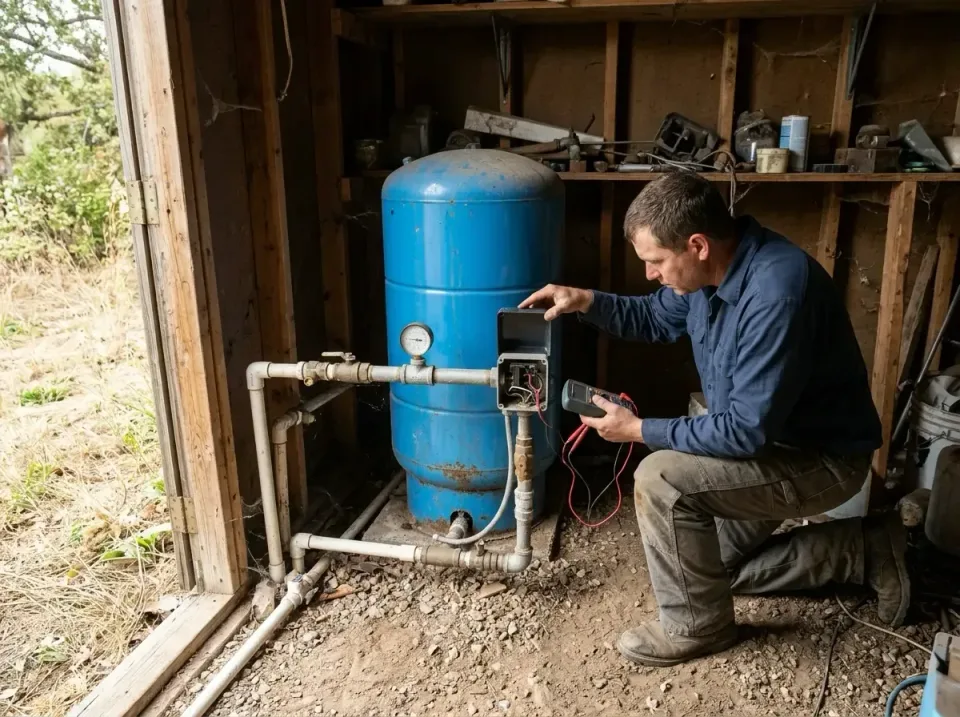
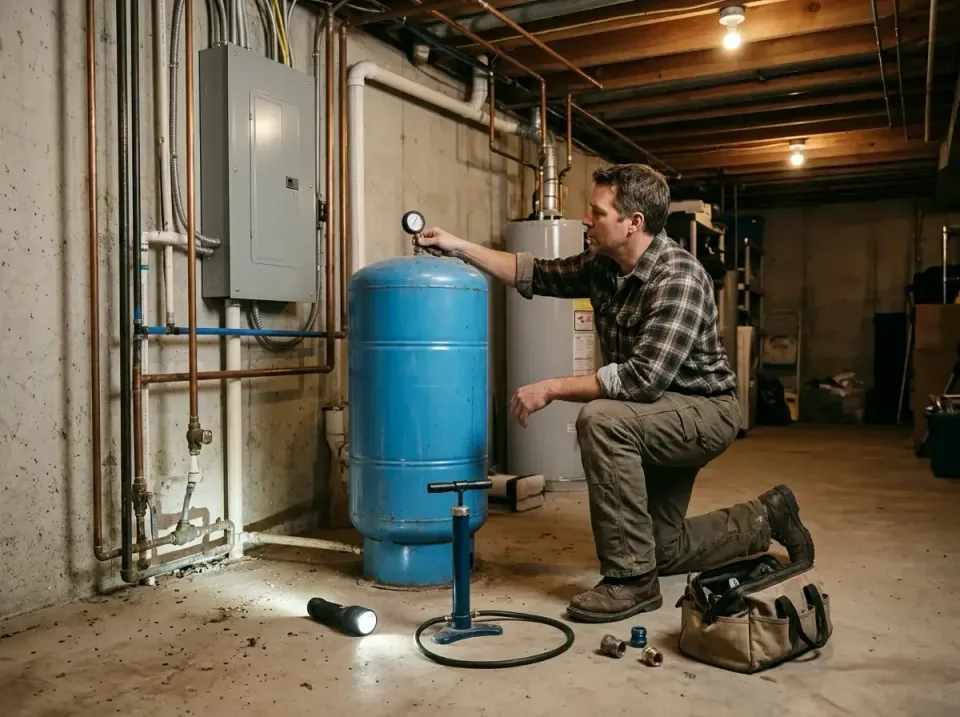
Recent low water pressure repair project photos.
Guides and tips for customers using low water pressure repair services.
Learn what repeated well-pump starts can signal, how tank and switch checks help narrow the cause, and when to call a Colorado pro. Read our guide.
Expert TipLearn what shifting gauge readings can reveal about regulators, pumps, tanks, or leaks, and when Colorado homeowners should seek a diagnosis. Read our guide.
Expert TipLearn how regulator adjustment, valve wear, and whole-home pressure symptoms help Colorado homeowners decide on repair or replacement. Read our guide.
Expert TipLearn what to inspect when household flow stays weak after municipal work, how to compare likely causes, and when to bring in a Colorado plumber. Read our guide.
Expert TipLearn why showers weaken as other fixtures run, how to compare readings, and when regulator or supply-line diagnosis may help. Read our guide.
Expert TipLearn why upper-floor taps may trickle, what to check first, and when pressure testing or a repair may help Colorado homes. Read our guide.