Water Booster Pump Installation
We install residential booster pumps sized to household demand; Colorado jobs typically run $800–$2,500, with pump capacity and electrical work affecting the total. Dry air makes open plumbing work evaporate faster.
A regulator that sticks or wears internally can leave taps weak or make pressure fluctuate across the house. Colorado Plumbing Pros handles pressure-regulator service across Colorado, where seasonal access and summer hail can complicate outdoor plumbing work.
Browse all service options available across Colorado and choose the right fit for your project.
We install residential booster pumps sized to household demand; Colorado jobs typically run $800–$2,500, with pump capacity and electrical work affecting the total. Dry air makes open plumbing work evaporate faster.
Pressure tank repair covers bladder and connection issues for homes and well systems; typical replacement runs $450–$1,300, depending on tank size and plumbing changes.
Well Pump Repair covers residential pump and control troubleshooting; typical repairs run $300–$1,500, depending on pump type, parts, and access.
Weak faucet pressure repair for homeowners includes faucet flow checks and targeted adjustments; access and fixture condition shape the scope.
We trace sudden whole-house pressure loss, from a pressure reading to accessible plumbing checks; diagnosis cost depends on access and testing time.
Low Shower Pressure Repair addresses weak shower flow, including showerhead and fixture checks; typical jobs run $125–$350, with access and repair scope affecting cost.
We diagnose weak hot-water flow for homeowners, checking fixture passages and hot-side piping; scope and access determine the repair quote.
We locate and repair leaking residential water lines, including buried sections; excavation length and surface restoration shape typical $500–$3,000 jobs.
Low Cold Water Pressure Repair tracks weak cold flow at fixtures and supply lines; scope and access determine the job cost. Snowfall near Pikes Peak can delay equipment delivery.
We clear blockages in residential water lines; typical jobs run $300–$1,500, depending on access and the clog’s location.
We repair corroded residential pipes, including accessible copper sections; typical jobs run $500–$2,500, depending on pipe length and access.
We clear mineral grit and debris from faucet aerators for homeowners; access, screen condition, and replacement parts shape typical $90–$250 jobs.
We replace home water-filter cartridges and housings; typical jobs run about $150–$500, depending on filter type and access.
We clear mineral scale and debris from residential showerheads; typical repairs run $75–$250, depending on access and buildup.
We repair residential water service lines, including buried pipe sections; Colorado jobs typically run $500–$3,000, driven by excavation length and surface restoration.
We repair well pressure switches for homeowners, checking contacts and settings; typical repairs run $150–$500, depending on access and switch condition. Hail near Telluride Historic District can damage exposed equipm...
We repair residential water softeners, including control valves and regeneration components; typical repair pricing depends on system size, parts, and access.
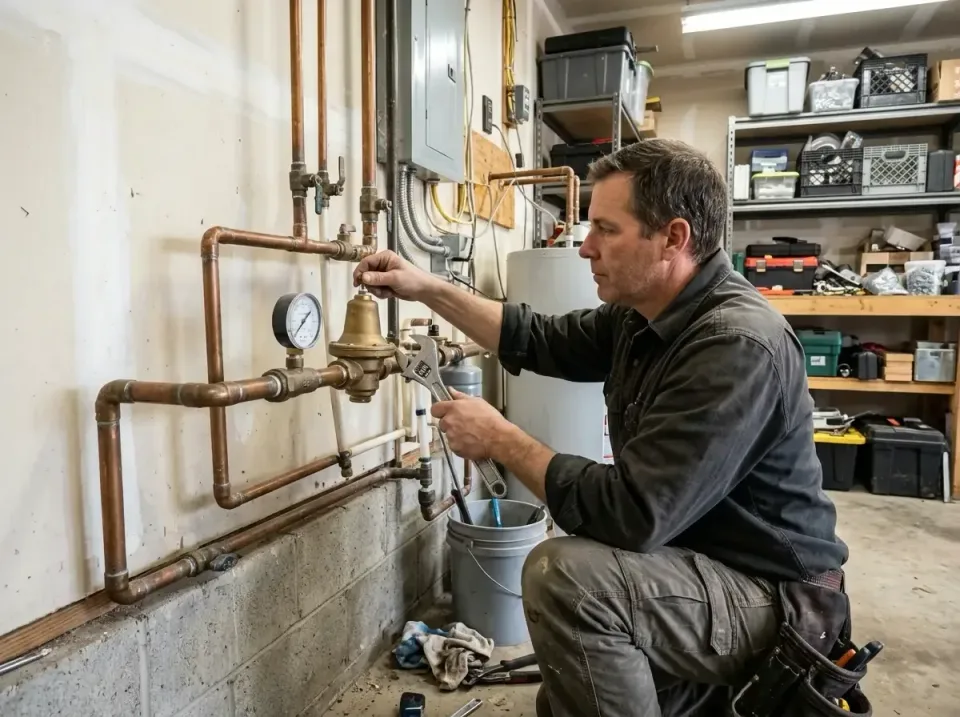
A regulator can fail gradually or stick after pressure changes, leaving fixtures weak or making household pressure fluctuate. We inspect the pressure-reducing valve and compare readings before recommending adjustment or replacement. Colorado’s four distinct seasons affect outdoor plumbing access, so exposed valves and work areas may need different scheduling as conditions change.
At Leadville Historic District, elevation is part of the local setting; customers should mention outdoor regulator locations when booking so access can be discussed. Summer thunderstorms can bring hail and flash flooding, which may damage exposed plumbing equipment or make an outdoor work area temporarily unsafe. We account for those conditions rather than treating every valve location alike.
We explain the likely cause and repair options before work begins. For a regulator scope review, call Colorado Plumbing Pros at (877) 773-0781.
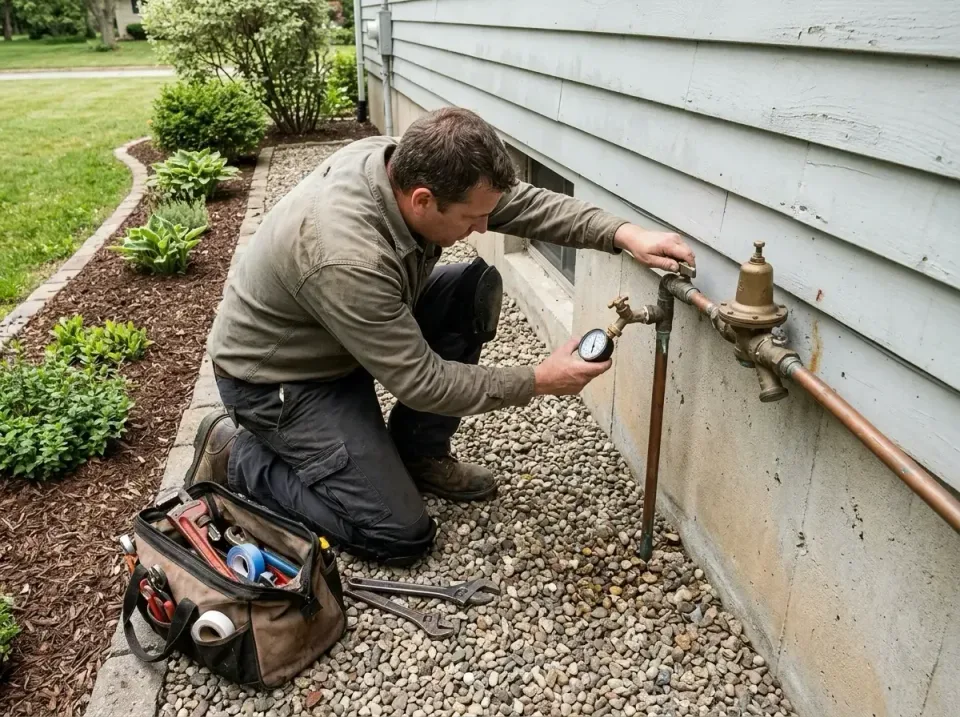
We begin by confirming the regulator’s location, access, and reported pressure behavior. A pressure test requires a gauge rated for the expected system pressure; we use that reading to distinguish a valve issue from a symptom that needs further investigation.
Next, we inspect the regulator and connections, then explain the findings and proposed scope before work starts. Spring snowmelt may raise groundwater around foundations, so customers with damp or difficult-to-access utility areas should mention those conditions when arranging service. At Coors Field, changing weather can affect outdoor activity; at a home, it can likewise make a scheduled exterior inspection less practical.
We complete the agreed regulator work and verify operation afterward. Customers near Estes Park can tell us about access constraints when requesting scheduling, while the Colorado Springs Pioneers Museum offers another familiar point of reference for our Colorado service area. For background, see what to check when water pressure suddenly falls.
A regulator concern near Boulder Pearl Street Mall deserves a diagnosis, not repeated turns of an adjustment screw. A rushed adjustment can leave pressure unstable or fail to address a sticking valve.
Our Colorado-licensed plumbing professionals inspect the regulator and take pressure readings before recommending work. That matters near the Colorado National Monument, where outdoor access and equipment exposure can be part of the service discussion. Mountain communities face heavier snowfall than the eastern plains, so an exterior valve inspection may need different access planning depending on the property and season.
We also explain the scope in plain language and identify what is included before starting. The Colorado State Capitol is a familiar statewide reference, but each home’s regulator and access conditions still need individual assessment.
Colorado’s Manitou Incline is a reminder that elevation and terrain vary across the state; we ask about the valve location rather than assuming it is easy to reach. For regulator work, our crew’s advantage is a measured diagnosis and a clear repair plan.
A regulator that is difficult to reach or does not match the existing pipe size can change the work involved. Pressure diagnosis is typically $75–$200, driven by access and testing time; regulator replacement commonly runs $300–$800, depending on valve size and access. These are planning ranges, not a job-specific quote.
We explain whether the scope involves testing, an adjustment, or replacing the valve before work begins. Near the Great Sand Dunes Visitor Center, dry, open surroundings can make exposed work more vulnerable to dust; indoors, low humidity can also worsen static and dust during plumbing work. Pikes Peak is another familiar Colorado landmark, but it does not determine a home’s repair cost valve condition and access do.
For a regulator-specific explanation of symptoms and repair decisions, see when a Colorado pressure regulator needs repair or replacement. Final quotes vary with scope, access, parts, and site conditions. Contact Colorado Plumbing Pros at (877) 773-0781 for a final quote matched to the job.
Permit needs depend on the work and local requirements. Ask who checks those rules and coordinates any required permits before work begins, so responsibilities are clear and the repair can follow the applicable requirements.
Ask whether the proposed scope includes checking the home’s supply and multiple fixtures, diagnosing the regulator, and documenting readings and settings after repairs. Knowing what is included helps you understand the work being considered before agreeing to it.
Regulator repairs may require access to the shutoff valve and the relevant plumbing area. Ask what needs to be reachable, and whether anything outdoors or near equipment should be cleared, so access needs are understood before the appointment.
Telluride Historic District homes and other high-altitude properties may face increased UV exposure and freeze risk, so share whether the regulator is outdoors when scheduling.
Yes, a regulator fault can contribute to changing readings, but a bouncing gauge alone does not confirm the valve is responsible. A gauge rated for the expected system pressure helps assess the readings safely, and Colorado Plumbing Pros can review the regulator and its connections.
A sudden change after water-main work is worth reporting, but the regulator should be tested before anyone assumes it caused the problem. Tell the plumber when the work occurred and whether pressure changed at every fixture; this helps focus the inspection.
Regulated plumbing work in Denver may require permits under the 2022 Denver Building and Fire Code plumbing provisions. Ask whether the proposed regulator work is permit-regulated, and have the contractor explain the applicable scope before work begins.
Yes, winter freezes can burst exposed pipes, so an exposed regulator and adjacent piping should be protected from freezing conditions. Near Rocky Mountain National Park, winter weather can affect outdoor access; report exposed equipment when arranging an inspection.
Yes, monsoon-season storms can restrict outdoor service work when the regulator is outside or access is exposed. Around Red Rocks Amphitheatre, changing weather can be a useful reminder to discuss site access and safe scheduling with Colorado Plumbing Pros.
Select a city to find local low water pressure repair providers we cover in Colorado.