(877) 773-0781

Low Water Pressure Repair in Security-Widefield, CO 80911

Low pressure in a Security-Widefield home can start with one weak shower or affect every tap. We test the system before recommending a repair, so you know whether the issue is at a fixture, regulator, or water supply.

Near Widefield High School and the Widefield Community Center, dry indoor air can add static and dust around open plumbing work; our team protects the work area and closes openings promptly. Drought conditions can also make water conservation a practical concern, so a pressure diagnosis helps distinguish a supply problem from a fixture that is simply restricting flow.

We serve Security-Widefield’s suburban homes, including tract housing, and explain what our checks show before work begins. Our team has served the area for more than 12 years and keeps scheduling updates clear.

Call (877) 773-0781 to discuss low pressure or arrange a visit. We’ll identify the likely cause, explain repair options, and give you a clear plan.

Licensed & insured Low Water Pressure Repair in Security-Widefield, CO
1 State
172 Cities served
Services Offered

Services in Security-Widefield, CO

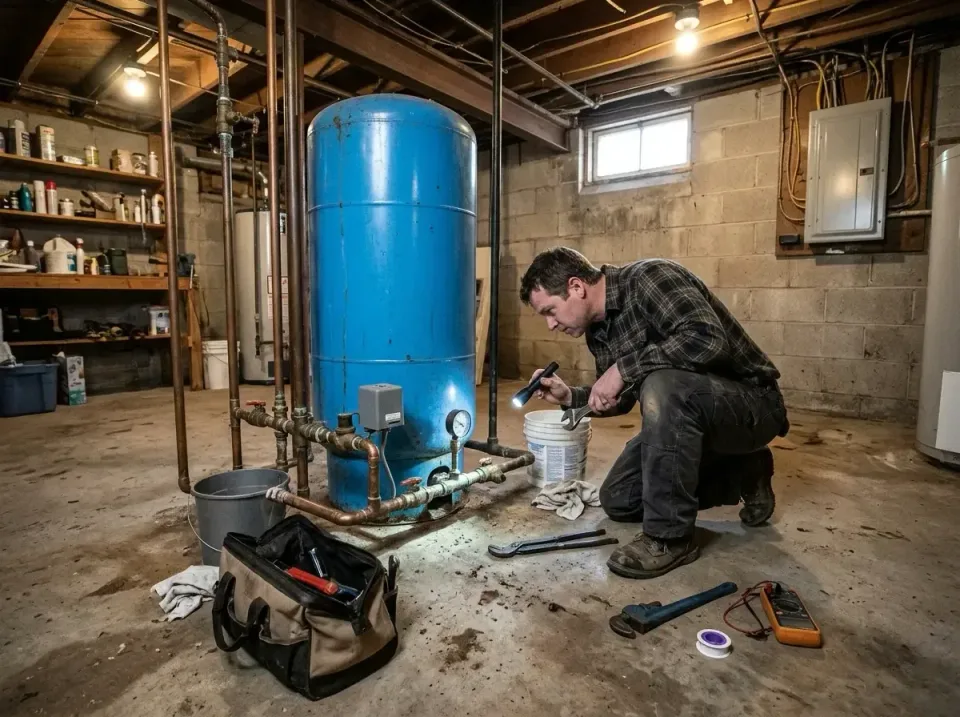
Water Pressure Tank — Basement — Water Pressure Tank, Plumber, Pipe Wrench, Basement, Plumbing
About Us

How We Diagnose Pressure Problems in Security-Widefield

At Widefield High School and the Widefield Community Center, Security-Widefield’s community landmarks sit among homes where a pressure complaint can require more than a quick fixture swap. Freeze-thaw cycles can stress buried water lines, so a sudden change may call for checking the supply path as well as the plumbing inside the home.

Dry air can evaporate moisture from open plumbing work quickly, so we keep the work area protected and finish exposed connections promptly. Cold snaps can freeze shallow service lines; if pressure falls after a cold night, note whether every fixture is affected before scheduling. We explain our findings in plain language, share the repair options, and provide a clear plan before work begins.

Low Water Pressure Repair Services

What Causes Low Water Pressure in Security-Widefield?

A shower that weakens when another tap runs, or a sudden drop across the house, deserves a system check. Spring snowmelt may raise groundwater around foundations, so we inspect for signs of a supply-line problem rather than assuming the pressure regulator is at fault.

At homes near Widefield High School, our team records pressure and checks the main shutoff, regulator, and affected fixtures. You can safely check whether the shutoff is fully open and compare two fixtures; don’t force a stuck valve.

We also consider hail-related damage to exposed plumbing vents or equipment, and summer thunderstorms can bring hail and flash flooding that complicate outdoor access. Our work may include tracing a restriction or assessing whether a booster pump is appropriate. We cover 80911, 80925, and 80931. Tell us what changed, and we’ll explain the next diagnostic step.

Security-Widefield, CO Local Landmarks

Security-Widefield Freeze Risk and Buried Lines

Winter freezes can burst exposed pipes, turning a pressure complaint into a leak that needs prompt attention. Around the Widefield Community Center, Security-Widefield customers can check visible, accessible pipework for dampness or frost, but should leave repairs to our crew. Do not open walls or dig to search for a buried line.

If pressure drops after a water-main repair, trapped debris or a change in supply conditions may be involved; we compare the affected fixtures and inspect the system before choosing a fix. Monsoon-season storms can restrict outdoor work, so excavation or exterior access may need to wait for safe conditions.

Our team can assess whether a water-heater issue is affecting hot-side flow and explain the findings. Call when a pressure change persists or affects several fixtures.

Security-Widefield, CO Permits & Compliance

What Plumbing Rules Apply in Security-Widefield?

Pressure work should begin with recorded static and flowing readings, not guesswork. Near Widefield High School, we document both conditions before diagnosing a Security-Widefield home; that comparison helps distinguish a supply limitation from a problem inside the plumbing system.

The Safe Drinking Water Act includes lead-free requirements for plumbing materials that contact drinking water, so replacement parts must suit that use. Denver Water backflow-prevention requirements apply only where relevant to the water provider and installation; they should not be assumed to govern every Security-Widefield property.

Denver Water records or rules are not a substitute for confirming the local utility and applicable requirements. Ask us to clarify the testing and material choices before work begins.

Why Choose Us

Local Low Water Pressure Repair in Security-Widefield, CO

Colorado Plumbing Pros diagnoses pressure problems and explains the repair scope before work begins.

Cause Before Repair

Technicians check the home’s supply and multiple fixtures before recommending work. That helps distinguish a regulator, pump, pressure tank, or water line issue from a problem limited to one fixture.

Clear Scope First

The technician explains what the checks show and what repair is proposed. You can discuss the work and access needs before the crew proceeds, with no guesswork about the intended scope.

Colorado Experience

The team dispatches from Denver and coordinates pressure repair calls across Colorado. Familiarity with aging service lines, regulators, and local requirements helps keep the diagnosis grounded in the home’s plumbing.

How Low Water Pressure Repair Works

How a visit works

The crew checks the pressure source, explains the findings, and completes the agreed repair.

Discuss the Issue

You describe where pressure feels low and when it happens. The team notes the symptoms and confirms access to the home’s shutoff valve before scheduling repair work.

Check Pressure

A technician records static and flowing pressure, then checks multiple fixtures and the home’s supply. You get clear findings to help identify whether the issue is local or system-wide.

Explain the Repair

The technician discusses the likely cause and proposed scope, including regulator, pump, tank, or water line work as needed. The crew checks part compatibility and coordinates local requirements when required.

Complete and Verify

The crew performs the agreed repair, then documents pressure readings and regulator settings. You receive an explanation of the completed work and any relevant operating details.
Low Water Pressure Repair Warning Signs

Early Signs of Low Water Pressure

Slow-Filling Fixtures

A fixture taking longer than usual to fill can signal a developing supply or pressure issue. Notice whether the change affects one faucet or several; that detail can help the technician narrow the source.

Pressure Changes Gradually

A stream that grows weaker over time is worth noting before it becomes difficult to use. Keep track of which fixtures are affected and whether the change is steady or comes and goes.

In Depth

Low Water Pressure Repair All Year

Spring

Frequent spring wind can bring dust and debris around outdoor plumbing and exposed equipment. If pressure seems different after yard or exterior work, having the supply and fixtures checked can help pinpoint whether the change is inside or outside.

Summer

Sunny, dry summers can mean more outdoor water use, making pressure changes easier to notice across household fixtures. A pressure check can help separate a supply concern from a localized fixture issue before planning further work.

Fall

Fall is a practical time to address a pressure concern before colder weather arrives. A technician can assess the supply, regulator, pump, or pressure tank and explain whether any repair or local coordination is needed.

Winter

Snowy winter conditions can expose plumbing to freeze-related pressure changes. If pressure shifts during cold weather, a technician can check the home’s supply and fixtures to help identify whether a line or pressure-control component needs attention.

In Depth

Questions Before Hiring a Plumber

Will you coordinate permits or local requirements?

Some pressure repairs may call for permits or other local requirements. Ask how the provider identifies what applies and who coordinates it, so you understand what must be handled before the work is complete.

What does the proposed work include?

Clarify whether the scope covers diagnosis, the identified repair, and pressure checks afterward. A defined scope helps you understand what the technician plans to address and what may require separate discussion.

What terms should I review before work?

Ask for the proposed work and any relevant conditions in writing before agreeing. Reviewing the terms helps you understand what is included, how changes are handled, and what responsibilities remain with you.

Get a Quote

Get Low Water Pressure Repair in Security-Widefield, CO

Request a quote online or contact our Security-Widefield, CO team directly by phone or email.

Call Us

(877) 773-0781

Our Location

Security-Widefield, CO

Working Hours

Mon–Sun 8am–9pm

Common Questions

Low Water Pressure Repair FAQs in Security-Widefield, CO

Why does my shower lose pressure when another tap runs?

A shared supply restriction, regulator issue, or limited flow can make the shower weaken when another fixture runs. In Security-Widefield, check whether the change affects more than one fixture and whether the main shutoff is fully open; don’t force a stuck valve. Our team can test the system and explain the likely cause.

What should I do if pressure suddenly drops throughout my Security-Widefield home?

Check whether both hot and cold water are affected and look for an obvious leak near accessible plumbing. If the change followed a water-main repair, tell our team; we’ll record pressure readings and inspect the supply before recommending a repair.

Can a booster pump solve low pressure?

Sometimes, but a pump is not the right first step for every Security-Widefield home. We check the incoming supply, regulator, and plumbing conditions first, then explain whether added pumping capacity makes sense.