Water Booster Pump Installation
We install residential booster pumps sized to household demand; Colorado jobs typically run $800–$2,500, with pump capacity and electrical work affecting the total. Dry air makes open plumbing work evaporate faster.
A damp patch that keeps returning or water pooling above a buried line can point to a leak that needs attention. Colorado Plumbing Pros repairs leaking water lines across Colorado, including properties near Steamboat Springs, Telluride Historic District, and the University of Colorado Boulder, where access and site conditions can differ.
Browse all service options available across Colorado and choose the right fit for your project.
We install residential booster pumps sized to household demand; Colorado jobs typically run $800–$2,500, with pump capacity and electrical work affecting the total. Dry air makes open plumbing work evaporate faster.
Pressure tank repair covers bladder and connection issues for homes and well systems; typical replacement runs $450–$1,300, depending on tank size and plumbing changes.
We inspect and repair residential pressure regulators, including valve adjustments and replacements; typical replacement runs $300–$800, depending on valve size and access. Aspen Mountain, Cheyenne Mountain Zoo, and t...
Well Pump Repair covers residential pump and control troubleshooting; typical repairs run $300–$1,500, depending on pump type, parts, and access.
Weak faucet pressure repair for homeowners includes faucet flow checks and targeted adjustments; access and fixture condition shape the scope.
We trace sudden whole-house pressure loss, from a pressure reading to accessible plumbing checks; diagnosis cost depends on access and testing time.
Low Shower Pressure Repair addresses weak shower flow, including showerhead and fixture checks; typical jobs run $125–$350, with access and repair scope affecting cost.
We diagnose weak hot-water flow for homeowners, checking fixture passages and hot-side piping; scope and access determine the repair quote.
Low Cold Water Pressure Repair tracks weak cold flow at fixtures and supply lines; scope and access determine the job cost. Snowfall near Pikes Peak can delay equipment delivery.
We clear blockages in residential water lines; typical jobs run $300–$1,500, depending on access and the clog’s location.
We repair corroded residential pipes, including accessible copper sections; typical jobs run $500–$2,500, depending on pipe length and access.
We clear mineral grit and debris from faucet aerators for homeowners; access, screen condition, and replacement parts shape typical $90–$250 jobs.
We replace home water-filter cartridges and housings; typical jobs run about $150–$500, depending on filter type and access.
We clear mineral scale and debris from residential showerheads; typical repairs run $75–$250, depending on access and buildup.
We repair residential water service lines, including buried pipe sections; Colorado jobs typically run $500–$3,000, driven by excavation length and surface restoration.
We repair well pressure switches for homeowners, checking contacts and settings; typical repairs run $150–$500, depending on access and switch condition. Hail near Telluride Historic District can damage exposed equipm...
We repair residential water softeners, including control valves and regeneration components; typical repair pricing depends on system size, parts, and access.
A leak below the yard can waste water before it becomes visible. Our Colorado-licensed plumbing professionals narrow down the affected section, confirm the repair scope, and protect nearby surfaces before opening the line. We diagnose before recommending a repair.
Freeze-thaw cycles can stress buried water lines, so a leak may appear after ground movement; we check the affected run rather than assume the visible wet spot marks the break. Cold snaps can also freeze shallow service lines, making exposed or lightly covered sections worth noting during an assessment. During drought, a leak can add to water-conservation concerns, so share any unexplained change in use when you call.
We explain the likely cause and repair options in plain language, then provide a clear plan before work begins. For a scope review, call Colorado Plumbing Pros at (877) 773-0781.
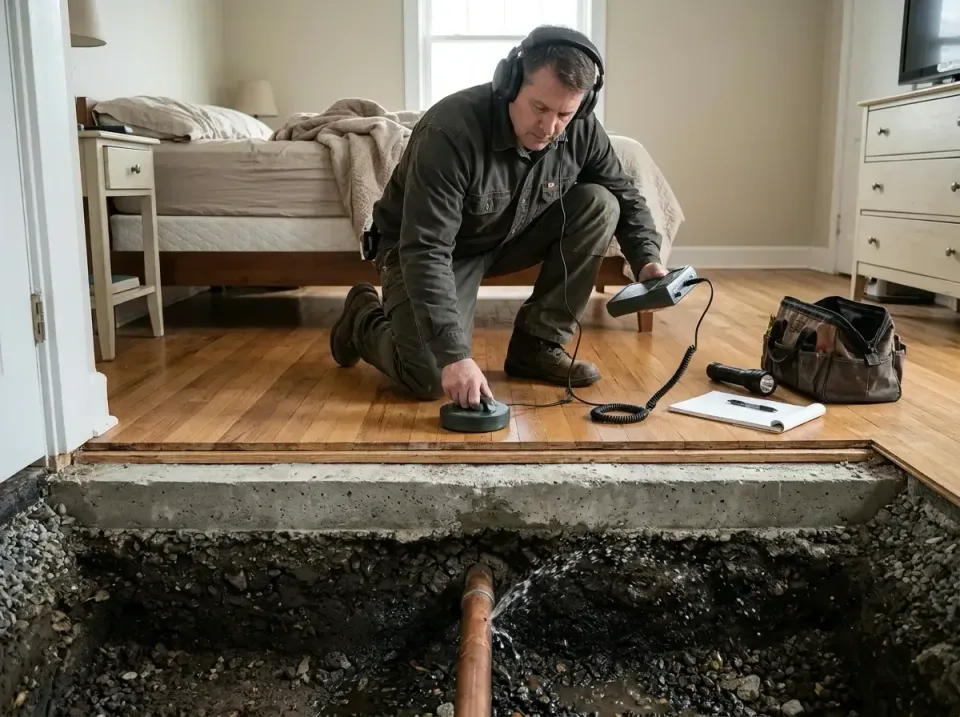
We begin by confirming the affected line and agreeing on the work area with you. That keeps the repair focused.
Next, we inspect the suspected route and discuss access, visible damage, and any surfaces that may need opening or restoration. A home near Denver Union Station may have different site access than one near Garden of the Gods, so we plan around the property rather than presume a standard excavation.
In eastern plains communities, strong winds and rapid temperature swings can affect outdoor work conditions; we communicate if those conditions change the plan. Hail can damage exposed plumbing vents and equipment, so we distinguish outdoor equipment damage from a buried-line leak when assessing the site.
Once you approve the scope, we repair the affected section and check the work area before wrapping up. Snow, soil, and surface-restoration needs can affect scheduling, so we explain any likely constraints before work begins. You can review our team and service details through Colorado Plumbing Pros.
A homeowner near Estes Park may face a narrow outdoor work window, while a property near Fort Collins Old Town may have a different route and surface to protect. Guessing where to dig can damage more than the leaking section. Our crew checks the suspected line and limits the repair opening to the scope we can support with what we find.
Dry air increases evaporation from open plumbing work, so we keep exposed sections open only as needed and plan the repair before cutting into the line. Four distinct seasons affect outdoor plumbing access; we account for current conditions rather than promise a fixed schedule before seeing the site. Near Leadville Historic District, share access limits or surface concerns early so we can include them in the work plan.
We explain findings in plain language, keep scheduling updates clear, and respect the home and work area. If you are unsure whether a wet spot points to a supply-line leak, our Colorado-licensed crew can assess it before you start digging.
A leak beneath a lawn is not priced the same as one under a finished surface. A water service line repair commonly falls around $500–$3,000, with excavation length and surface restoration driving much of the range. The final scope matters.
Spring snowmelt may raise groundwater around foundations, which can make access and work-area conditions more involved. Mountain communities can receive heavier snowfall than the eastern plains, and that may affect when outdoor excavation is practical.
Snowfall can also delay excavation and equipment delivery, so we discuss timing if weather affects the site. Near the Manitou Incline, steep terrain may require a closer look at equipment access; homes around Red Rocks Amphitheatre and Vail Village also need site-specific planning rather than a generic allowance.
We inspect the affected line, explain what restoration the work may require, and provide a quote matched to the scope. Final quotes vary with scope, access, parts, and site conditions. Call Colorado Plumbing Pros at (877) 773-0781 for a job-specific review.
Water line work can involve local rules, especially when access or excavation is required. Ask whether the provider will identify applicable requirements and coordinate them before work begins, so responsibilities are clear.
Ask which inspection, repair, and restoration tasks are included, and which may be separate. A clearly agreed scope helps you understand what the crew will address and what work might require another decision.
Confirm where technicians need access, including the shutoff valve and any areas near the water line. Clearing those spaces ahead of the visit can help the crew inspect the system and discuss the work without avoidable access delays.
Ask for the scope and applicable terms in writing before authorizing work. Review how changes, restoration, and any required coordination are handled, so you know what you are agreeing to and can raise questions first.
For a water-line concern near the Colorado Springs Pioneers Museum, Coors Field, or the Denver Botanic Gardens, contact Colorado Plumbing Pros at (877) 773-0781 to discuss a repair scope.
Yes, an active supply-line leak can add avoidable water use during drought conditions, so note any persistent damp area or unexplained change in use. A property near Aspen Mountain may need a different access plan from one near Ball Arena, and we assess the actual line and site before recommending work.
Not every repair requires the same amount of digging; the affected line’s location and access determine whether excavation is needed and how extensive it may be. Near Cheyenne Mountain Zoo, share visible surface changes and any access limits so we can assess the likely work area before quoting.
Yes, a leak in a supply line can contribute to reduced pressure, but the symptom alone does not confirm a buried-line break. If pressure changes alongside a damp area, tell us where and when you noticed it; homes near the railroad may have different site access and repair constraints.
Share photos of visible moisture, the approximate location, and any access or surface-restoration limits before the visit. Around Glenwood Hot Springs Pool, a clear description of the affected area helps us consider the site conditions that can change excavation length and repair scope.
Yes, replacement plumbing components must meet applicable lead-free requirements under the Safe Drinking Water Act, and we can discuss the materials specified for your repair. For a Denver project, regulated plumbing work may also require permits; Denver Community Planning and Development provides applicable permit information.
Select a city to find local low water pressure repair providers we cover in Colorado.