Water Booster Pump Installation
We install residential booster pumps sized to household demand; Colorado jobs typically run $800–$2,500, with pump capacity and electrical work affecting the total. Dry air makes open plumbing work evaporate faster.
A wet patch near the meter or a sudden drop in flow can point to a damaged buried service line. Near Red Rocks Amphitheatre, winter freezes can burst exposed pipe sections; the same kind of failure can disrupt water service for households across Colorado. Colorado Plumbing Pros handles water service line repairs, including locating the affected section and restoring the connection.
Browse all service options available across Colorado and choose the right fit for your project.
We install residential booster pumps sized to household demand; Colorado jobs typically run $800–$2,500, with pump capacity and electrical work affecting the total. Dry air makes open plumbing work evaporate faster.
Pressure tank repair covers bladder and connection issues for homes and well systems; typical replacement runs $450–$1,300, depending on tank size and plumbing changes.
We inspect and repair residential pressure regulators, including valve adjustments and replacements; typical replacement runs $300–$800, depending on valve size and access. Aspen Mountain, Cheyenne Mountain Zoo, and t...
Well Pump Repair covers residential pump and control troubleshooting; typical repairs run $300–$1,500, depending on pump type, parts, and access.
Weak faucet pressure repair for homeowners includes faucet flow checks and targeted adjustments; access and fixture condition shape the scope.
We trace sudden whole-house pressure loss, from a pressure reading to accessible plumbing checks; diagnosis cost depends on access and testing time.
Low Shower Pressure Repair addresses weak shower flow, including showerhead and fixture checks; typical jobs run $125–$350, with access and repair scope affecting cost.
We diagnose weak hot-water flow for homeowners, checking fixture passages and hot-side piping; scope and access determine the repair quote.
We locate and repair leaking residential water lines, including buried sections; excavation length and surface restoration shape typical $500–$3,000 jobs.
Low Cold Water Pressure Repair tracks weak cold flow at fixtures and supply lines; scope and access determine the job cost. Snowfall near Pikes Peak can delay equipment delivery.
We clear blockages in residential water lines; typical jobs run $300–$1,500, depending on access and the clog’s location.
We repair corroded residential pipes, including accessible copper sections; typical jobs run $500–$2,500, depending on pipe length and access.
We clear mineral grit and debris from faucet aerators for homeowners; access, screen condition, and replacement parts shape typical $90–$250 jobs.
We replace home water-filter cartridges and housings; typical jobs run about $150–$500, depending on filter type and access.
We clear mineral scale and debris from residential showerheads; typical repairs run $75–$250, depending on access and buildup.
We repair well pressure switches for homeowners, checking contacts and settings; typical repairs run $150–$500, depending on access and switch condition. Hail near Telluride Historic District can damage exposed equipm...
We repair residential water softeners, including control valves and regeneration components; typical repair pricing depends on system size, parts, and access.
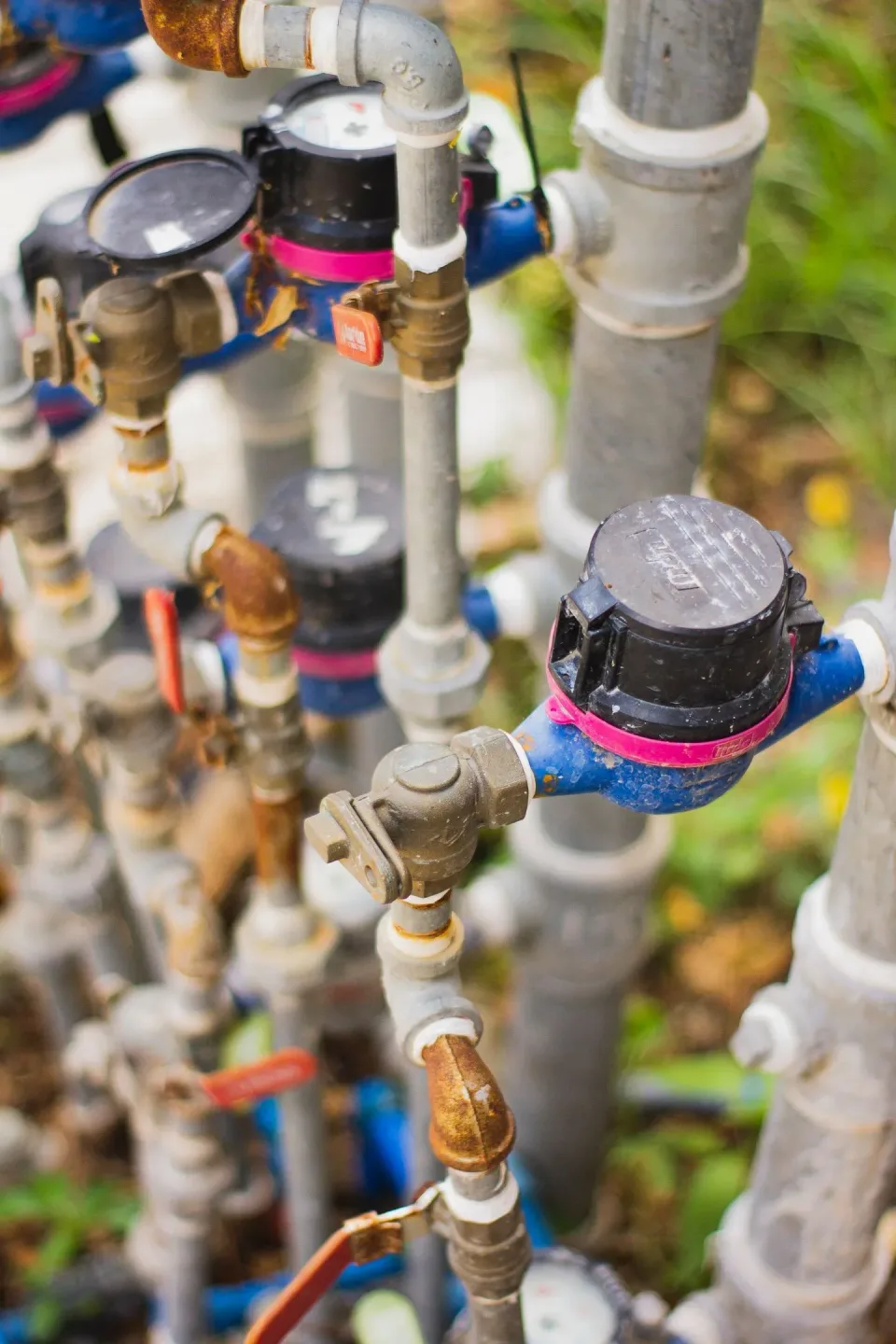
A damaged buried line can leave a home with weak flow or a wet area outdoors. Our crew scopes water service line repair around the pipe route, connection points, and the surface that excavation may disturb. We check before digging.
Freeze-thaw cycles stress buried water lines, so movement in the surrounding ground can add strain at joints and fittings. Cold snaps can freeze shallow service lines; note any exposed section and protect it from further cold while arranging an inspection.
After thaw, spring snowmelt may raise groundwater around foundations, which can complicate access and obscure where water is moving. We account for those conditions rather than assuming every wet spot marks the break.
We explain the likely repair, access needs, and restoration scope before work begins. Call (877) 773-0781 to discuss the line and arrange a scope review.
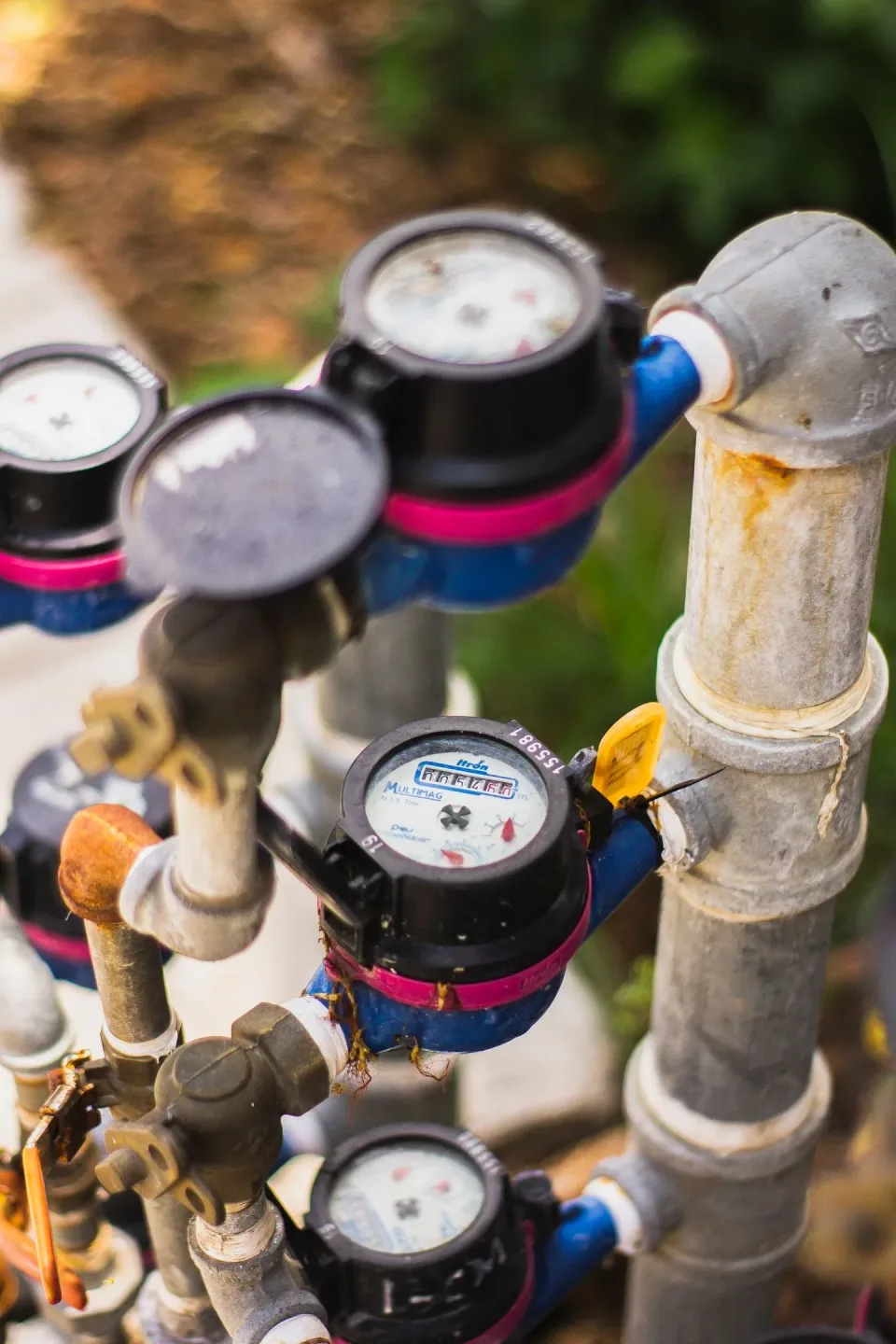
We document the symptoms, service-line route, and access needs, then arrange a Colorado 811 utility locate before excavation. Marked utilities help define a safer digging area, but they don’t replace careful work.
Dry Colorado air can speed evaporation from open plumbing work, so we keep the exposed area limited and complete the repair without unnecessary delay. We expose only the pipe needed to inspect the damage, then explain the repair and surface restoration before work begins.
Timing depends on the trench length, utility markings, and site access; steep or obstructed ground like the terrain familiar to visitors of the Manitou Incline can make access planning especially important. We test the line before closing the work area.
The Colorado Plumbing Pros team can review your property details and help prepare for an assessment.
A sudden leak in Colorado Springs can make digging seem like the fastest response, but buried utility lines make it risky. Pause and arrange a utility locate before any excavation.
Our crew checks the line route against the symptoms, helping avoid damage from an unsupported guess. Drought conditions can make wasted water a particular concern, so a prompt, properly targeted repair can limit ongoing loss.
Colorado’s four distinct seasons also affect outdoor access: frozen ground or severe weather may complicate excavation, while seasonal changes can expose weaknesses in a buried line. We explain the repair boundary and surface restoration before work starts, then identify the likely cause and describe options clearly.
Contact our Colorado-licensed plumbing professionals to assess the line before anyone opens the ground.
A leak beneath a walkway takes a different excavation plan from a break in an open yard. Water service line repair commonly ranges from $500 to $3,000, with excavation length and surface restoration driving much of the difference. A short accessible repair may require limited digging; a longer run or finished surface takes more work to expose and restore.
Mountain communities face heavier snowfall than the eastern plains, which can restrict excavation access and affect scheduling. Snowfall can also delay equipment delivery, so share any access limits or surface materials when requesting a scope review.
Near Estes Park, winter conditions may make a site visit or digging plan different from one on the plains; the property itself determines the work, not the landmark. The Great Sand Dunes Visitor Center is another Colorado reference point, but it does not determine a home’s repair price.
Final quotes vary with scope, access, parts, and site conditions. Call (877) 773-0781 for a quote based on the line length and restoration needs.
If strong winds and rapid temperature swings on Colorado’s eastern plains have you concerned about a buried line, Steamboat Springs and Telluride Historic District are distinct Colorado settings where property access can differ; call Colorado Plumbing Pros at (877) 773-0781 to request a Water Service Line Repair scope review.
Yes, hail can damage exposed plumbing vents and equipment, but a buried service line is not directly exposed to hail. Summer thunderstorms can bring hail and flash flooding, so note any visible damage or new pooling and tell the plumber what changed.
Yes, flash flooding can leave an excavation area unsafe or waterlogged, delaying access until conditions allow work. Around Vail Village, site access and drainage may differ from a suburban lot, so share photos of the affected area when arranging an assessment.
Hail damage to exposed equipment may coincide with pressure concerns, but it does not by itself prove a buried service line is damaged. Near Boulder Pearl Street Mall, as elsewhere, report whether the pressure change began after a storm and whether you see pooling or a wet area.
Yes, Colorado 811 utility locating should be arranged before excavation so underground utilities can be marked. Share the likely repair area with the crew, and avoid digging until the locate process is complete.
A site review can distinguish service-line excavation and restoration from visible storm damage to exposed equipment. The Colorado State Capitol is a recognizable landmark, but your quote is based on the property’s repair scope, access, parts, and surface restoration.
Select a city to find local low water pressure repair providers we cover in Colorado.