Water Booster Pump Installation
We install residential booster pumps sized to household demand; Colorado jobs typically run $800–$2,500, with pump capacity and electrical work affecting the total. Dry air makes open plumbing work evaporate faster.
A softener that leaves scale on fixtures or sends salty water through the tap may have a stuck control valve, a failed regeneration cycle, or a worn component. Colorado Plumbing Pros repairs residential softeners across Colorado, with attention to the system’s condition and the water quality changes you notice.
Browse all service options available across Colorado and choose the right fit for your project.
We install residential booster pumps sized to household demand; Colorado jobs typically run $800–$2,500, with pump capacity and electrical work affecting the total. Dry air makes open plumbing work evaporate faster.
Pressure tank repair covers bladder and connection issues for homes and well systems; typical replacement runs $450–$1,300, depending on tank size and plumbing changes.
We inspect and repair residential pressure regulators, including valve adjustments and replacements; typical replacement runs $300–$800, depending on valve size and access. Aspen Mountain, Cheyenne Mountain Zoo, and t...
Well Pump Repair covers residential pump and control troubleshooting; typical repairs run $300–$1,500, depending on pump type, parts, and access.
Weak faucet pressure repair for homeowners includes faucet flow checks and targeted adjustments; access and fixture condition shape the scope.
We trace sudden whole-house pressure loss, from a pressure reading to accessible plumbing checks; diagnosis cost depends on access and testing time.
Low Shower Pressure Repair addresses weak shower flow, including showerhead and fixture checks; typical jobs run $125–$350, with access and repair scope affecting cost.
We diagnose weak hot-water flow for homeowners, checking fixture passages and hot-side piping; scope and access determine the repair quote.
We locate and repair leaking residential water lines, including buried sections; excavation length and surface restoration shape typical $500–$3,000 jobs.
Low Cold Water Pressure Repair tracks weak cold flow at fixtures and supply lines; scope and access determine the job cost. Snowfall near Pikes Peak can delay equipment delivery.
We clear blockages in residential water lines; typical jobs run $300–$1,500, depending on access and the clog’s location.
We repair corroded residential pipes, including accessible copper sections; typical jobs run $500–$2,500, depending on pipe length and access.
We clear mineral grit and debris from faucet aerators for homeowners; access, screen condition, and replacement parts shape typical $90–$250 jobs.
We replace home water-filter cartridges and housings; typical jobs run about $150–$500, depending on filter type and access.
We clear mineral scale and debris from residential showerheads; typical repairs run $75–$250, depending on access and buildup.
We repair residential water service lines, including buried pipe sections; Colorado jobs typically run $500–$3,000, driven by excavation length and surface restoration.
We repair well pressure switches for homeowners, checking contacts and settings; typical repairs run $150–$500, depending on access and switch condition. Hail near Telluride Historic District can damage exposed equipm...
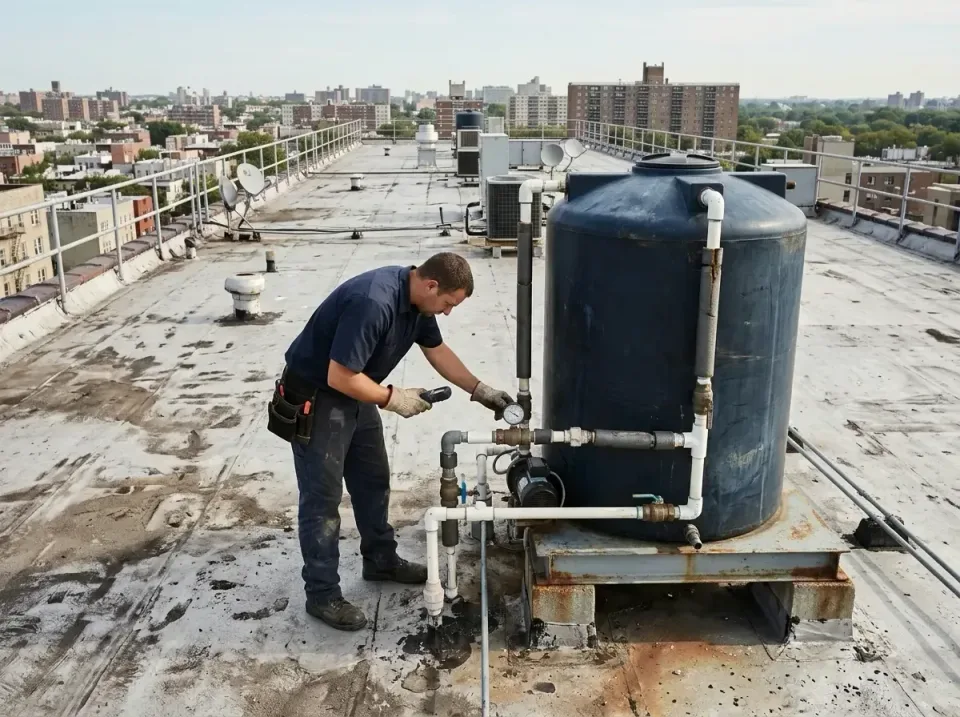
A softener that stops regenerating can leave hard-water scale on fixtures or send untreated water through the house. We inspect its control settings, valve operation, and brine draw, then compare system behavior with the pressure reading; a test gauge must be rated for the pressure it may encounter.
Freeze-thaw cycles stress buried water lines, so an outdoor supply issue can resemble a softener fault; we check the unit before attributing a symptom to it. Boulder Pearl Street Mall is a familiar Colorado reference point, while Colorado National Monument’s exposed setting underscores why outdoor equipment and access need practical attention in this state.
We explain what we find and outline repair options before work begins. For a scope review, call Colorado Plumbing Pros at (877) 773-0781.
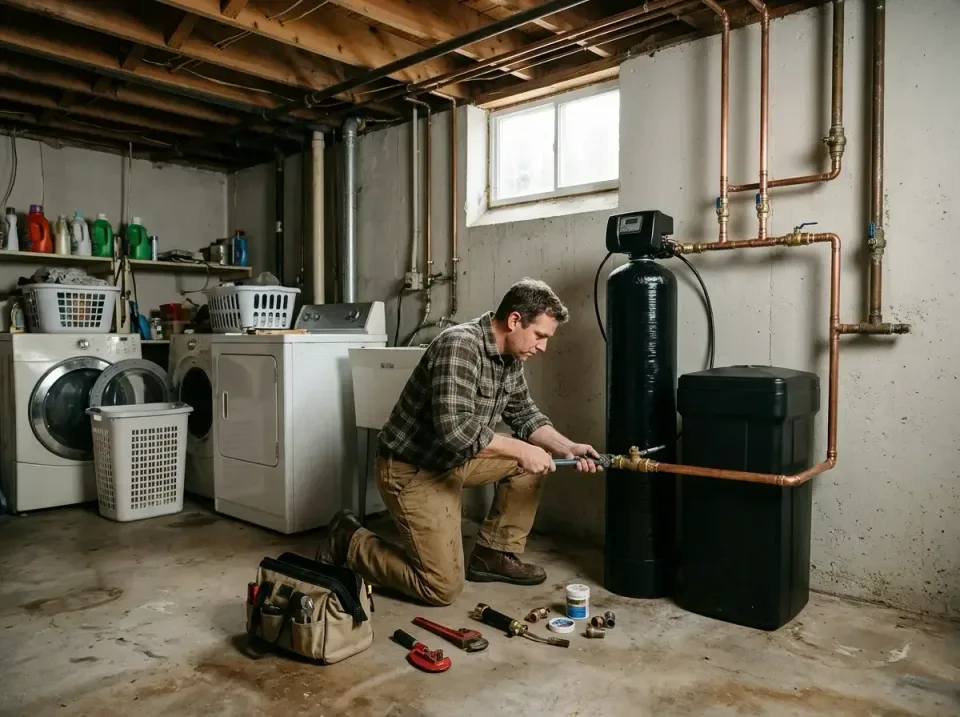
We begin by confirming the softener’s make, model, age, and reported symptom from the homeowner’s description or a photo of the control head. That helps us arrive prepared to inspect the right components.
Next, we check the bypass position, controller settings, brine tank condition, drain path, and visible fittings. We explain any additional testing before doing it. A gauge used for pressure testing must be rated for the pressure expected in that system.
Then we describe the fault and repair options in plain language, including any part or access constraints, and get approval before work. Colorado’s drought conditions may make water conservation a concern for some households, so we discuss how the softener’s settings relate to actual use instead of suggesting unnecessary regeneration.
Denver International Airport is a familiar statewide point of reference; it does not determine service timing, but customers should share their location and access details when arranging a visit. Around Denver Union Station, as elsewhere, the schedule depends on the job and parts availability. We finish by checking the unit’s operation and reviewing what was changed.
If a home near Garden of the Gods develops scale again, turning random settings can hide the actual softener fault. A careful diagnosis helps.
We distinguish a bypass setting from a control-valve or regeneration issue before recommending parts. That matters because a softener has to direct water through its treatment and regeneration cycles; replacing a component without confirming the failure can leave the same symptom in place. We also check the drain route and visible connections rather than treating the control head as the only possible cause.
Dry air increases evaporation from open plumbing work, so we keep service work focused and avoid leaving the system open longer than needed. Hail can damage exposed plumbing vents and equipment; we look for visible exterior damage when it could affect nearby plumbing, without assuming it caused an indoor softener fault.
Spring snowmelt may raise groundwater around foundations, which can affect access to equipment in a low utility space. We explain findings and scope before repairs, then leave the work area orderly. For background on our approach, see Colorado Plumbing Pros.
A basic inspection and adjustment may cost about $125–$300; control-valve or controller repairs commonly run $250–$700. A larger rebuild can reach roughly $500–$1,200 if several components need attention. These are planning ranges, not fixed estimates. Model, parts, access, and the fault found affect the final price, so we diagnose the system before recommending replacement.
Weather can also affect scheduling and scope. Winter freezes can burst exposed pipes, potentially adding plumbing repairs beyond the softener itself; protect exposed lines and mention any freeze damage when requesting an estimate.
Monsoon-season storms can restrict outdoor work, delaying jobs that require exterior access. If the problem appears beyond the softener, we clarify whether municipal service-line or private well-system work is involved rather than including unrelated repairs. Call (877) 773-0781 for a job-specific review.
Call Colorado Plumbing Pros at (877) 773-0781 to review your softener issue; Leadville Historic District, Pueblo Riverwalk, and storm-related hail or flooding can affect local access planning.
Yes, Water Softener Repair can address a unit that misses regeneration or has a control fault, but the symptom alone does not prove the cause. Fort Collins Old Town is a useful local reference; share which fixtures show scale and whether the bypass handle has moved.
Yes, photos of the control panel, brine tank, and the full installation can help us understand access and identify the equipment before a visit. Horsetooth Reservoir helps identify the area, while a clear photo of the model label is more useful for repair planning.
A repair confined to the softener may not require the same permit as regulated plumbing work, but the exact scope matters. In Denver, permits for regulated plumbing work and the 2022 Denver Building and Fire Code provisions may apply; we review requirements before work that falls within them.
Yes, the softener can be inspected alongside a pressure concern when symptoms suggest both systems may be involved, but we diagnose them separately before combining the scope. Hot summer afternoons stress outdoor pump equipment, so mention any outdoor equipment symptoms when describing the problem.
Water Softener Repair itself still focuses on the unit’s controls, valve, brine system, and connections, while scheduling and access can differ by location. Mountain communities face heavier snowfall than eastern plains, so tell us about snow-covered access or delivery limitations when requesting a scope review.
Select a city to find local low water pressure repair providers we cover in Colorado.